
Engine oil is the lifeblood of your vehicle’s engine. It lubricates moving parts, reduces friction, and helps maintain proper engine temperature. But when your engine starts leaking oil, it can lead to reduced performance, costly repairs, and even engine failure if ignored. Understanding the common points where oil leaks occur is crucial for both car owners and automotive enthusiasts.
Here’s a detailed guide to the most common oil leak points in engines:
1. Valve Cover Gasket
Location: The top of the engine, covering the valve train.
Description: The valve cover gasket seals the valve cover to the cylinder head. Over time, heat and engine vibrations can cause the gasket to become brittle, crack, or warp.
Signs of Leak:
- Oil pooling around the top of the engine.
- Oil dripping onto spark plugs, causing misfires.
- A burnt oil smell from the engine bay.
Solution: Replace the valve cover gasket and clean the surrounding area to prevent further leakage.
2. Oil Pan Gasket
Location: Bottom of the engine, enclosing the oil pan.
Description: The oil pan gasket sits between the oil pan and the engine block, preventing oil from dripping out. Road debris, heat, and aging can cause the gasket to deteriorate.
Signs of Leak:
- Oil spots under the car, especially after it has been parked for several hours.
- Low oil levels despite regular refills.
Solution: Replace the oil pan gasket. Sometimes, the oil pan itself may be dented or damaged, requiring replacement.
3. Front and Rear Main Seals
Location: Ends of the crankshaft—front near the timing cover, rear at the transmission bell housing.
Description: These seals prevent oil from leaking where the crankshaft exits the engine. They are subjected to high rotational forces and can wear out over time.
Signs of Leak:
- Oil dripping directly beneath the center of the engine.
- Oil accumulation at the transmission bell housing (for rear seal leaks).
Solution: Replacing these seals is more complex and usually requires partial engine disassembly, especially for the rear main seal.
4. Timing Cover and Gasket
Location: Front of the engine, covering timing belts or chains.
Description: The timing cover gasket keeps oil inside the timing mechanism. A failing gasket or damaged cover can cause oil to leak down the front of the engine.
Signs of Leak:
- Oil pooling around the timing belt area.
- Belt contamination, which can lead to slippage or premature wear.
Solution: Replace the timing cover gasket and inspect the cover for cracks.
5. Camshaft and Crankshaft Seals
Location: Ends of camshafts and crankshafts.
Description: These seals prevent oil from escaping where the shafts protrude from the engine. They can degrade due to heat, friction, and age.
Signs of Leak:
- Oil at the front or rear of the engine, often near pulleys.
- Visible oil streaks along the engine block.
Solution: Seal replacement is necessary. For rear cam or crankshaft seals, engine or transmission removal may be required.
6. Oil Filter and Oil Drain Plug
Location: Oil filter on the side or bottom of the engine; drain plug at the oil pan.
Description: Loose oil filters or improperly torqued drain plugs can cause leaks during or after an oil change. Rubber gaskets on filters can also deteriorate.
Signs of Leak:
- Fresh oil around the oil filter or drain plug area.
- Oil dripping immediately after refilling or changing oil.
Solution: Tighten the drain plug to the manufacturer’s torque spec and ensure the oil filter is properly seated with a new gasket.
7. PCV Valve and Hoses
Location: Valve cover and intake manifold connections.
Description: The Positive Crankcase Ventilation (PCV) system allows gases to escape the engine crankcase. Cracked or loose hoses can allow oil to leak or vapor to condense and leak externally.
Signs of Leak:
- Oil around the valve cover or intake area.
- Excessive smoke from the exhaust due to oil burning.
Solution: Inspect and replace worn hoses and the PCV valve if necessary.
8. Turbocharger Oil Lines (for Turbo Engines)
Location: Turbocharger oil feed and return lines.
Description: Turbocharged engines rely on oil for cooling and lubrication. Leaks in the oil feed or return lines can lead to oil dripping onto the exhaust or under the engine.
Signs of Leak:
- Oil streaks on the turbo housing.
- Blue smoke from the exhaust (burning oil).
Solution: Replace the faulty lines and check the turbocharger for internal leaks.
Tips to Detect Oil Leaks Early
- Regularly check the engine oil level.
- Look for fresh oil spots under the parked vehicle.
- Inspect the engine bay for oil stains or wet areas.
- Smell for burning oil odors while the engine is running.
Conclusion
Oil leaks are not just messy—they can harm your engine if ignored. Most leaks occur at gaskets and seals due to wear, heat, or improper installation. Regular inspection, proper maintenance, and prompt repairs can prevent small leaks from turning into costly engine damage.
By understanding where oil leaks commonly occur, you can diagnose problems quickly and maintain your engine’s health for years to come.
Discover More:
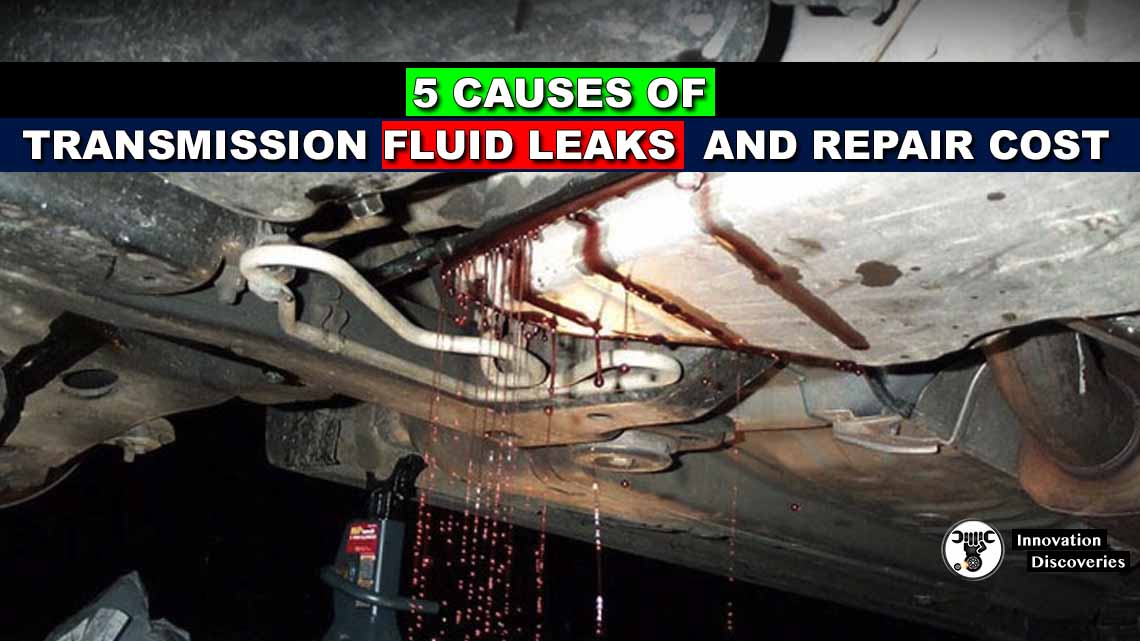
RAED MORE: 5 CAUSES OF TRANSMISSION FLUID LEAKS AND REPAIR COST
- 3 COMMON SYMPTOMS OF LOW POWER STEERING FLUID
- YOUR CAR IS LOSING COOLANT BUT NO LEAK: WHAT SHOULD YOU DO?
FOR MORE KNOWLEDGE
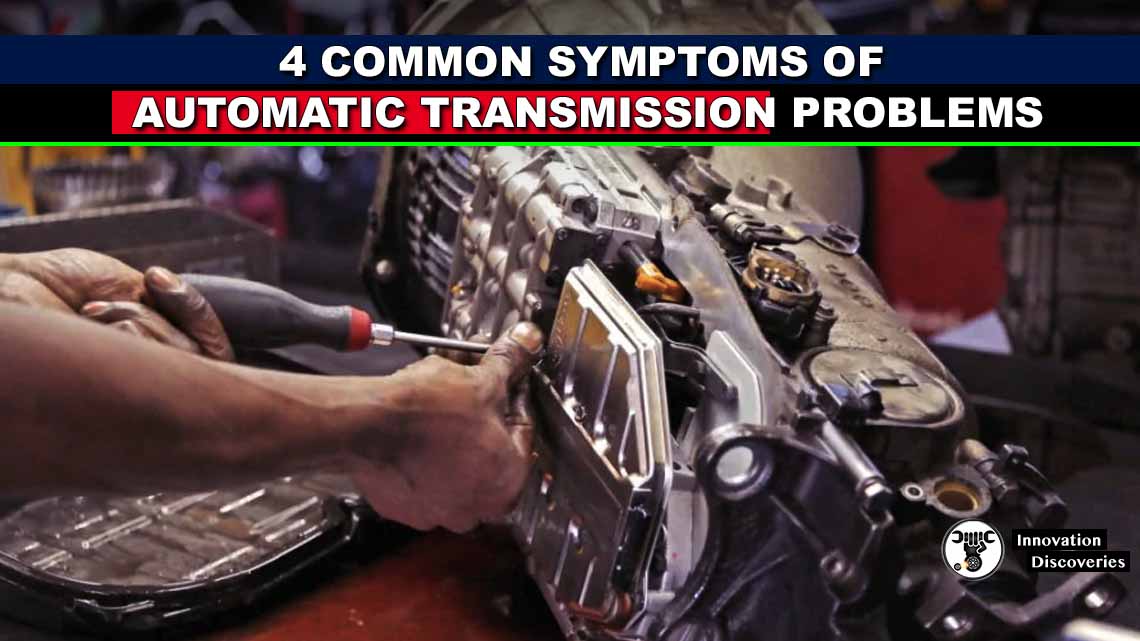
- 4 COMMON SYMPTOMS OF AUTOMATIC TRANSMISSION PROBLEMS
- COMMON PARTS OF AN AUTOMATIC TRANSMISSION
- COMMON FAULTS IN THE 6-SPEED DSG TRANSMISSION
- IS REBUILDING A TRANSMISSION WORTH IT IN THE LONG RUN?
Visit Forum
Visit Our Friendly Website