

Open a box of aerospace-grade bolts and you’ll notice something unexpected: instead of bare metal threads, they’re coated in a thin layer of wax.
At first, it seems counterintuitive. Why would engineers cover a precisely machined component with something that appears temporary?
The answer comes down to microns, friction, and preserving precision from the factory floor to final installation.
Precision Measured in Microns
In aerospace, motorsports, and advanced manufacturing, bolt threads aren’t just cut—they’re engineered to tolerances as tight as ±5–10 microns, roughly one-tenth the width of a human hair.
At this scale, problems that seem insignificant suddenly become critical:
- A small scratch during shipping can trigger thread galling
- A speck of dust can introduce uneven contact
- A minor impact can deform threads just enough to affect preload
When these fasteners hold together aircraft structures or high-performance engines, there is no margin for error.
Why Microcrystalline Wax?
The wax coating isn’t there for convenience—it serves four essential functions that oils, greases, and dry coatings can’t match as effectively.
Protection During Transport and Storage
Shipping is far harsher on precision components than most people realize. Microcrystalline wax acts as a soft protective layer, absorbing minor impacts, preventing scratches, and keeping contaminants away from the threads.
If a bolt shifts in its packaging, the wax takes the damage—not the threads themselves.
Corrosion Prevention
Moisture and oxygen are constant threats to exposed metal surfaces. The wax forms a sealing barrier that prevents rust and oxidation—especially important for bolts stored long-term or shipped internationally.
Even microscopic corrosion can compromise thread integrity at this level of precision.
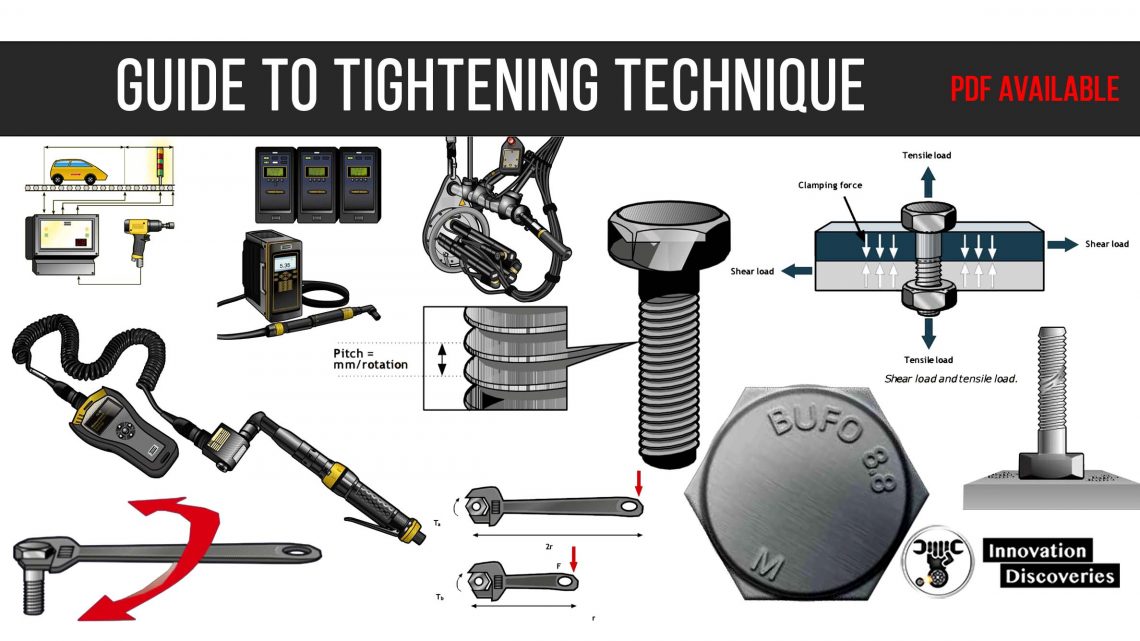
Consistent Torque and Preload
This is the most critical reason.
Torque readings are heavily influenced by friction. Excess friction leads to false torque values, resulting in either under-clamping or over-stressing the fastener—both of which can cause joint failure.
Microcrystalline wax provides predictable, repeatable friction characteristics. When a technician applies a specified torque, the bolt delivers the exact clamping force the engineer intended.
In safety-critical applications, this consistency isn’t optional—it’s mandatory.
Clean, Controlled Installation
Unlike oils or greases, wax is dry, stable, and clean to handle. During installation, it naturally shears off or melts from friction as the bolt tightens.
There’s typically no need for manual cleaning, and it leaves no residue that could contaminate precision assemblies or sensitive components.
The Bigger Picture
That thin wax coating ensures the bolt behaves during installation exactly as it did when it left the factory.
Perfect threads.
Predictable torque response.
Reliable, repeatable performance.
In precision engineering, manufacturing accuracy alone isn’t enough. Protecting that accuracy through handling, storage, and installation is just as critical. The wax isn’t an afterthought—it’s how a high-precision bolt stays precise all the way to its final job.
Discover More:

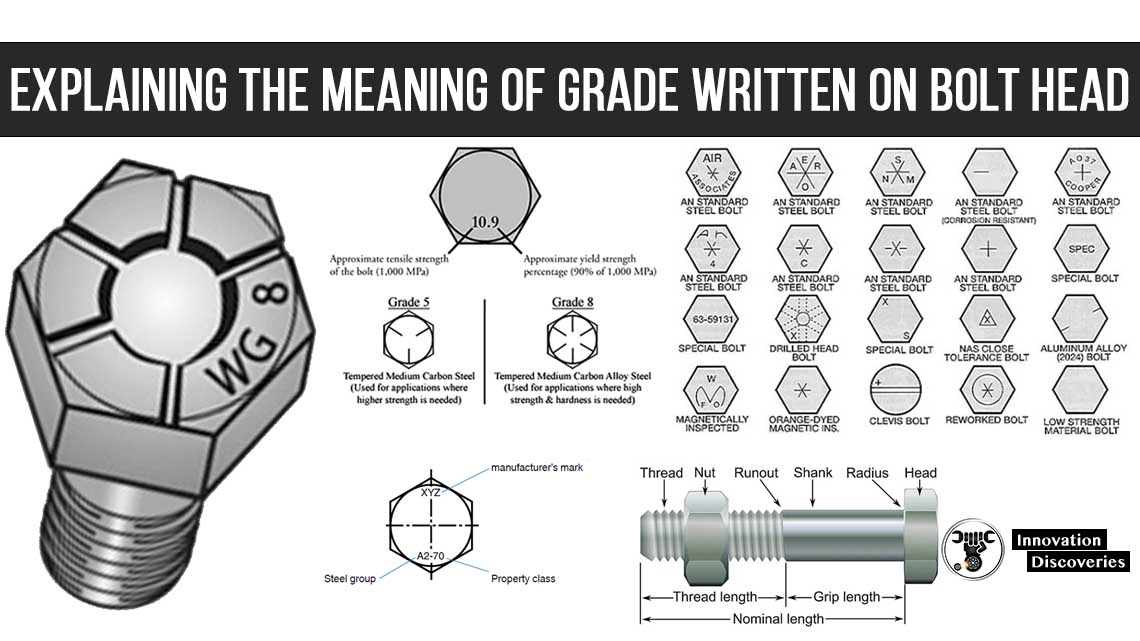
GUIDE TO TIGHTENING TECHNIQUE
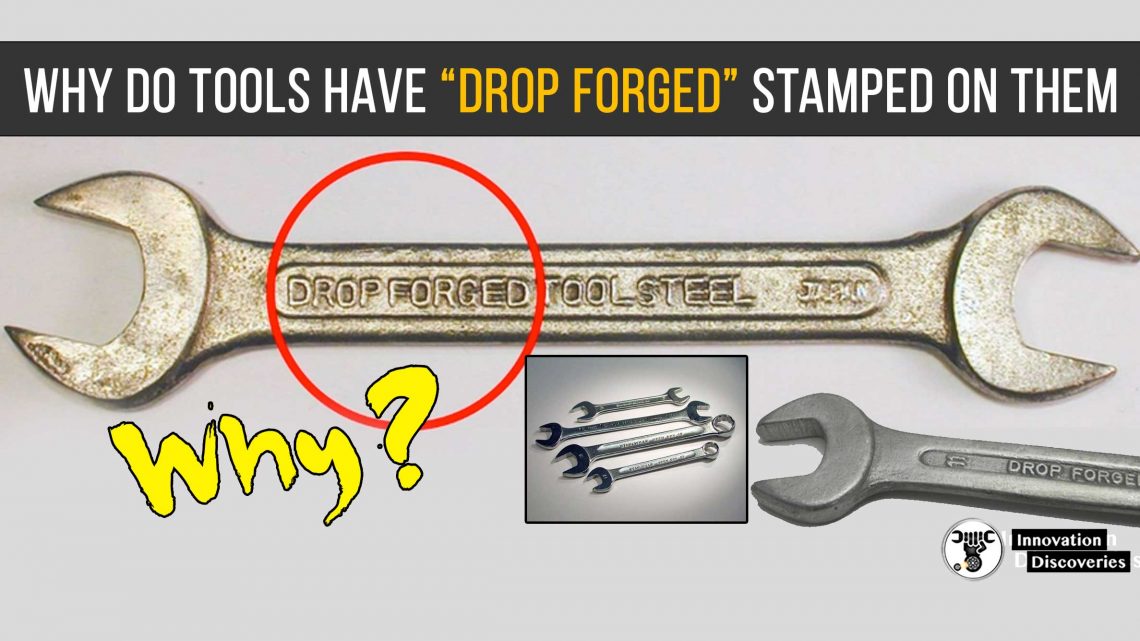
Check Out Why do Tools Have DROP FORGED Stamped On Them