
➤ ENGINE WATER PUMP: THE COMPLETE TECHNICAL GUIDE
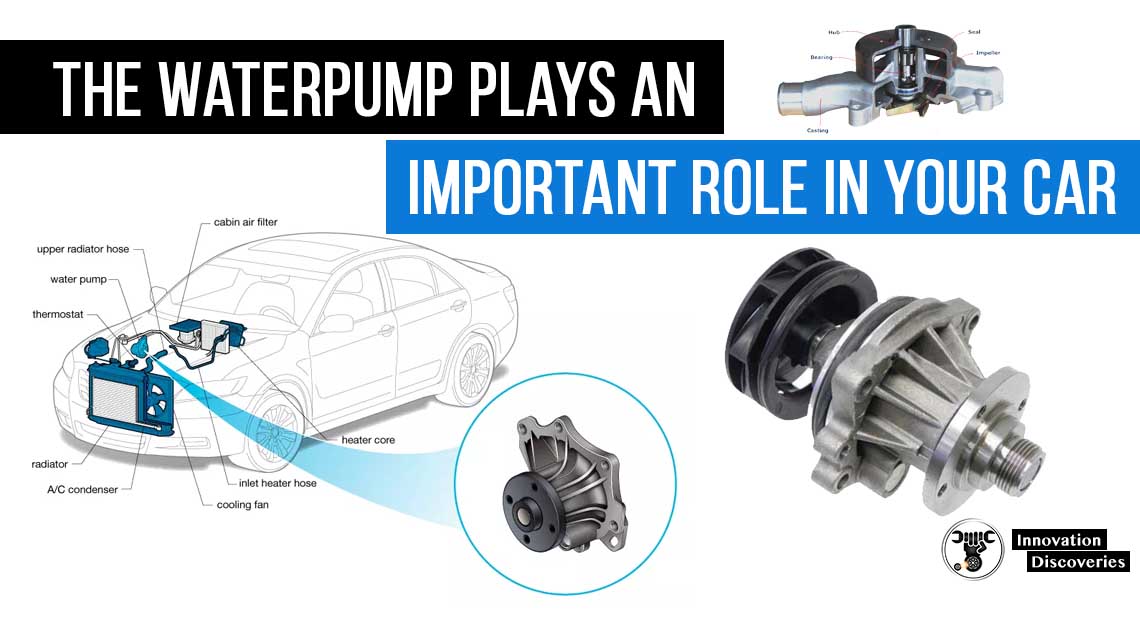
The engine water pump is one of the most critical components in your vehicle’s cooling system. Without it, coolant cannot circulate, temperatures spike, and engine damage follows within minutes. Here is everything you need to know.
➤ WHAT IS AN ENGINE WATER PUMP?
The water pump is a centrifugal pump driven by the engine itself, responsible for circulating coolant (antifreeze/water mixture) through the entire cooling circuit. It keeps the engine operating within its ideal thermal range, typically between 85°C and 105°C (185°F to 221°F).
⤷ It is not an optional component. It is the heart of your cooling system.

➤ HOW IT WORKS (THE MECHANICS)
- The engine drives the pump via a belt (serpentine belt, V-belt, or timing belt/chain on some engines)
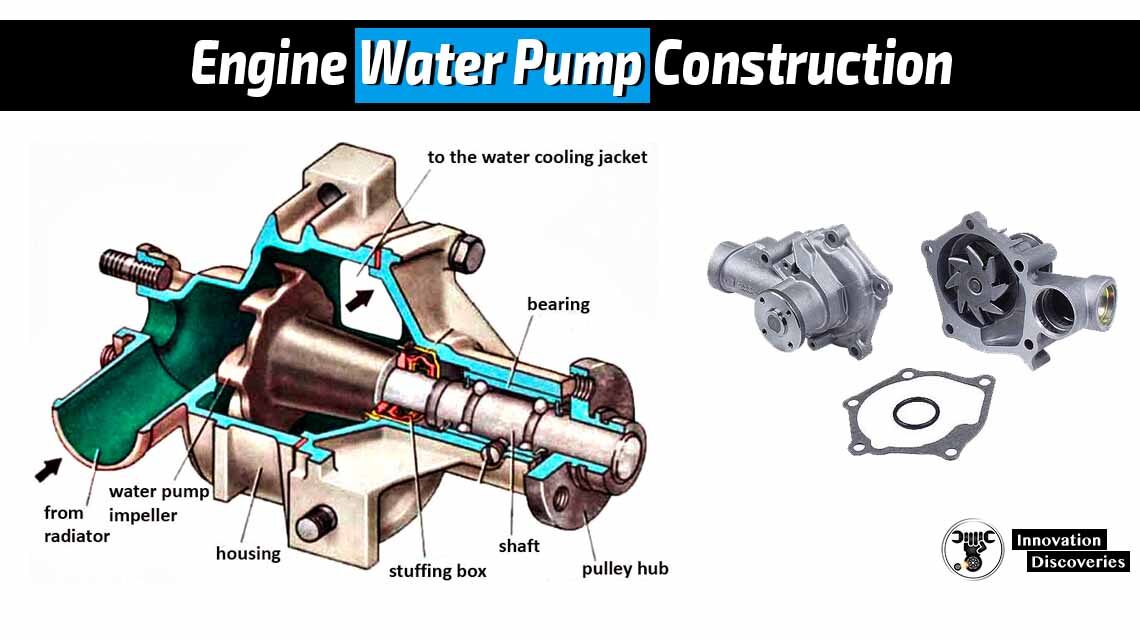
- The pump shaft spins an impeller inside a sealed housing
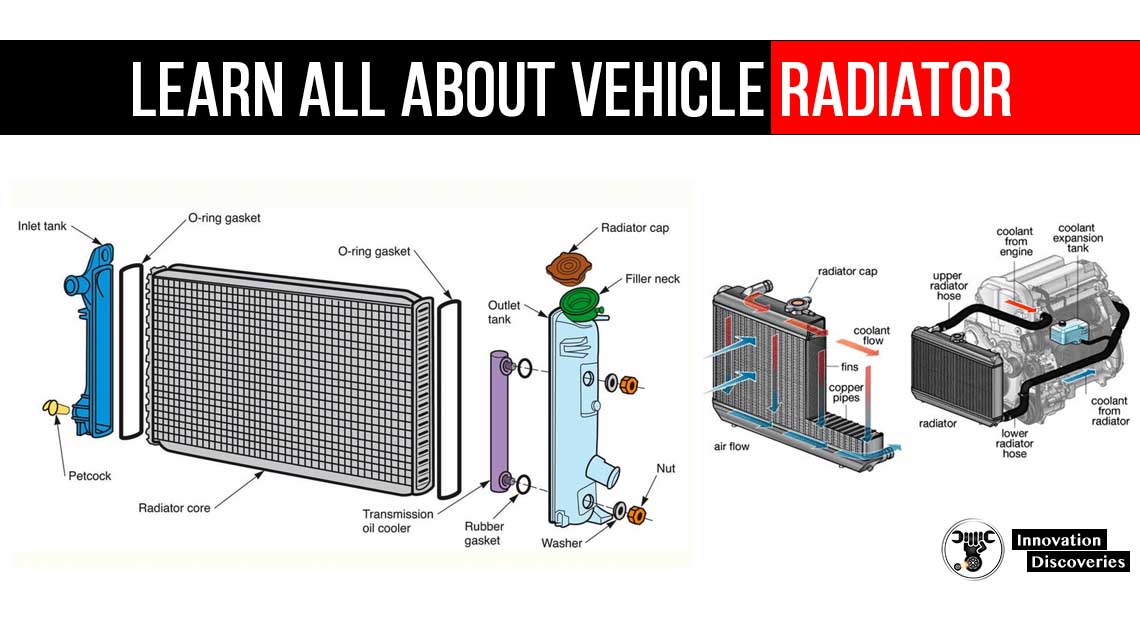
- The spinning impeller creates centrifugal force, drawing coolant in from the radiator through the inlet port
- That coolant is then pushed outward and forced through the engine block, cylinder head, and heater core
- After absorbing heat, the hot coolant returns to the radiator to be cooled again
- The cycle repeats continuously while the engine runs
⤷ On average, a water pump circulates the entire coolant volume through the engine roughly 14 to 17 times per minute at highway speeds.

➤ MAIN COMPONENTS
- Housing/Body: Cast iron or aluminium casting that contains all internal parts and bolts to the engine block
- Impeller: The rotating vaned disc that moves coolant. Can be stamped steel, cast iron, or plastic
- Shaft and Bearings: A sealed bearing assembly that supports the rotating shaft and impeller
- Seal/Gasket: Prevents coolant from leaking around the shaft. Can be a mechanical seal or a lip seal
- Pulley: The external wheel that receives drive from the belt
- Weep Hole: A small drain hole that allows coolant to escape externally when the internal seal starts to fail, acting as an early warning

➤ DRIVE METHODS
- Serpentine belt driven: Most common on modern engines. The pump is driven off the main accessory belt
- Timing belt driven: Common on many 4-cylinder engines (Honda, Hyundai, VW, Subaru, etc.). The pump sits behind the timing cover, driven directly by the timing belt
- Timing chain driven: Found on some modern engines. The pump is gear or chain driven internally
- Electric water pump: Found on hybrids, some BMW, some performance applications. Runs independently of engine speed for better thermal management
⤷ Timing belt-driven pumps are especially important because if the pump fails, it can seize and cause the timing belt to snap, resulting in catastrophic engine damage on interference engines.

➤ KEY SPECIFICATIONS (TYPICAL VALUES)
- Flow rate: 15 to 80 litres per minute depending on engine size and RPM
- Operating pressure: 0.5 to 1.5 bar (7 to 22 PSI) within the system
- Typical impeller diameter: 80 to 150 mm
- Bearing service life: 80,000 to 160,000 km under normal conditions
- Drive pulley ratio: Usually 0.9:1 to 1.2:1 relative to the crankshaft
- Material (housing): Aluminium alloy on most modern engines, cast iron on older/heavy-duty engines
- Seal type: Carbon-ceramic mechanical face seal (standard), with rubber lip seals on older designs
- Coolant compatibility: Must match the system’s coolant type (OAT, HOAT, IAT) as incompatible coolant accelerates seal and bearing wear

➤ WARNING SYMPTOMS OF A FAILING WATER PUMP
- Coolant leak from the front/centre of the engine
- ⤷ A weep hole leak is acceptable as a warning sign. A full-flow leak from the gasket or housing is critical and needs immediate attention.
- Coolant visible under the weep hole (small hole on the pump body)
- Overheating or temperature gauge climbing higher than normal
- Engine running hot at idle but cooling down at speed (or the reverse)
- Whining, grinding, or rumbling noise from the front of the engine
- Coolant loss without visible external leaks (possible internal pump seal failure causing mixing)
- Wobbly or loose pump pulley when the engine is off
- Coolant contamination (rusty or discoloured coolant accelerates wear)
- Heater not producing adequate heat (poor coolant flow to heater core)
➤ INSPECTION AND DIAGNOSIS
- Visual check: Look for staining, dried coolant residue, or active drips around the pump housing and gasket surface
- Pulley check: With the engine OFF, grab the pulley and check for play. Any lateral wobble means bearing failure
- Pressure test: Pressurize the cooling system and check for leaks at the pump area
- Coolant flow check: With the engine warm and the radiator cap off (use caution), look for coolant circulation at the filler neck. No movement can indicate pump failure
- Infrared temperature check: A failing pump can cause uneven temperature distribution across the block and head
- Listen for bearing noise at idle
➤ WHEN TO REPLACE
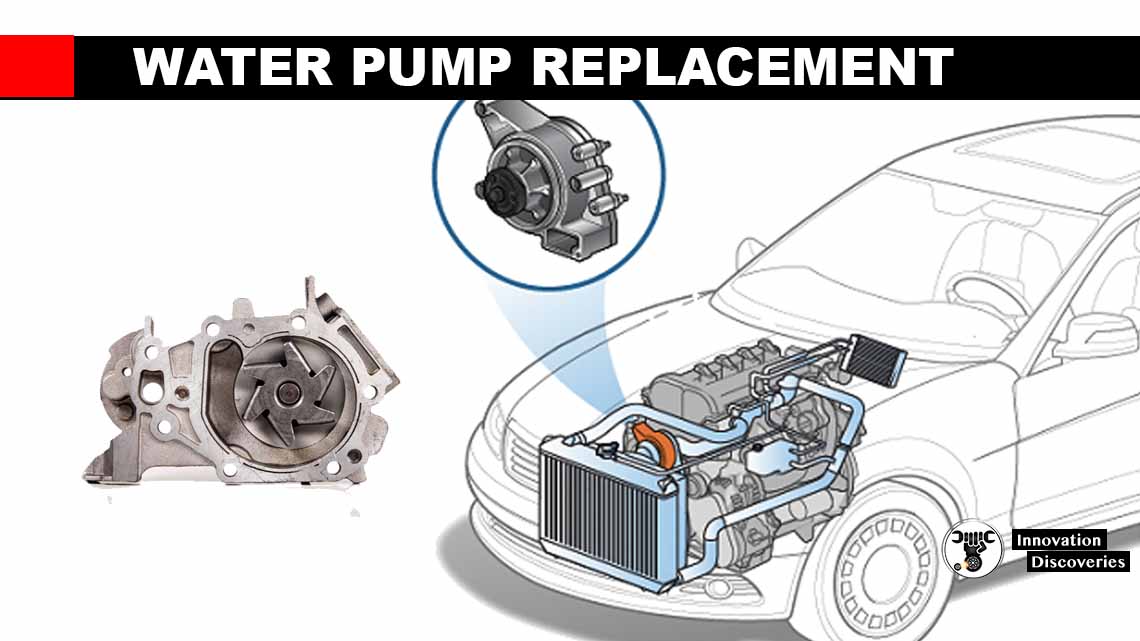
- Preventive replacement: Many manufacturers recommend replacing the water pump during a timing belt service (typically 90,000 to 150,000 km) since the engine is already disassembled. This is the most cost-effective approach
- On-failure replacement: Replace immediately at any sign of active leaking, bearing noise, or overheating caused by the pump
- Along with a new pump, always replace: the gasket or O-ring, and inspect/replace the thermostat, coolant hoses, and flush the cooling system with fresh coolant
➤ REPLACEMENT LABOUR OVERVIEW
- Serpentine belt-driven pump: Relatively accessible. Typical time 1.5 to 3 hours
- Timing belt-driven pump: Located behind the timing cover. Typical time 4 to 7 hours, which is why bundling it with the timing belt service saves significant cost
- Timing chain-driven (internal): Can be 5 to 10 hours depending on access
- Electric water pump: 1 to 2 hours typically, but may require software initialization
➤ MATERIAL AND DESIGN NOTES
- Plastic impellers: Used in many modern OEM pumps for weight and corrosion resistance but can crack or delaminate over time, especially in systems with degraded coolant
- Metal impellers: More durable but heavier. Preferred in performance and heavy-duty applications
- Aluminium housing: Lighter and conducts heat well, but susceptible to corrosion from improper coolant mixture or old coolant that has lost its inhibitors
- Mechanical seal vs lip seal: Mechanical face seals last longer but are more sensitive to contaminated or degraded coolant
➤ COMMON CAUSES OF PREMATURE FAILURE
- Old or degraded coolant that has lost its corrosion inhibitors
- Incorrect coolant type causing seal or bearing corrosion
- Incorrect coolant-to-water ratio (too little antifreeze)
- Belt tension issues causing excessive side load on the pump bearing
- Air pockets in the cooling system (improper bleeding after service)
- Electrolytic corrosion from grounding issues in the electrical system
➤ PRO TIPS
- Never run the engine on water alone. It causes corrosion and does not lubricate the pump seal properly
- Use a 50/50 coolant-to-distilled-water mix unless operating in extreme climates
- Bleed the cooling system properly after any pump or hose work to remove air pockets
- Always replace the gasket or O-ring with the new pump, never reuse the old one
- On timing belt engines, treat the water pump as a service item, not a breakdown item
- When buying a replacement, choose OEM or a reputable brand. A cheap pump with a plastic impeller may last less than 30,000 km
➤ SUMMARY
The water pump is not a flashy component, but it is one that keeps everything else alive. Neglecting it can turn a 30-minute coolant leak into a bent head, cracked block, or seized engine.
Understanding how it works, knowing the warning signs, and replacing it on schedule is one of the most cost-effective maintenance decisions any vehicle owner can make.
Discover More:
Read More:
- WORKING OF THERMOSTATS
- CAR THERMOSTAT FUNCTIONS, FAILURE SYMPTOMS, AND REPLACEMENT COST
- PISTON DAMAGE FROM OVERHEATING
- SYMPTOMS OF AN EXHAUST LEAK
- EXHAUST GAS RECIRCULATION (EGR)
- HOW AN ENGINE COOLING SYSTEM WORKS
- WATER COOLING VS AIR COOLING
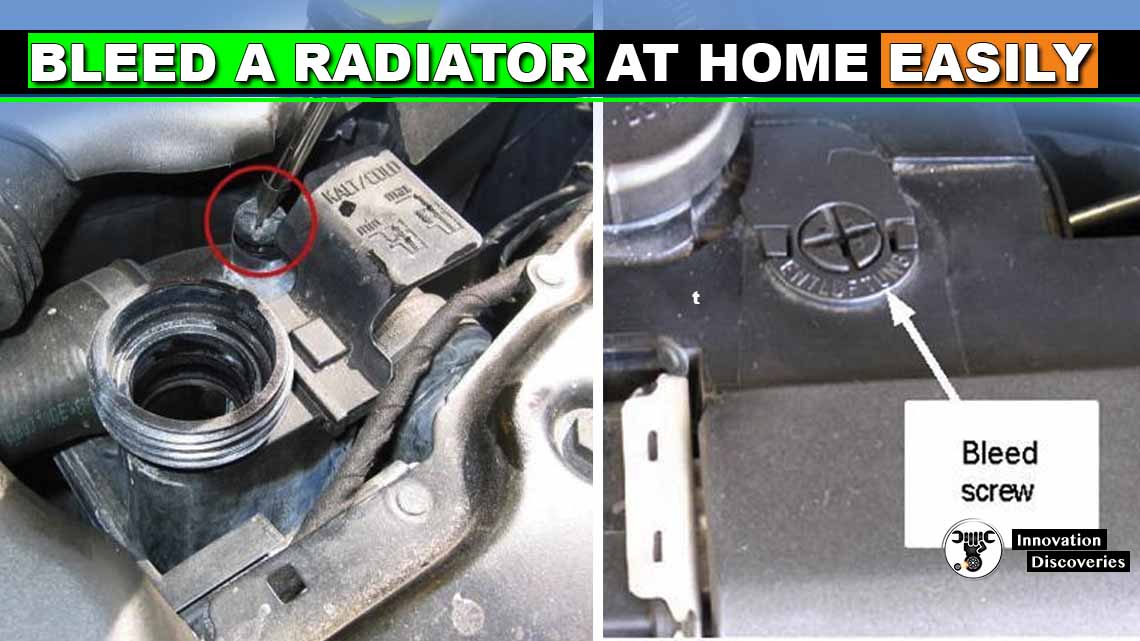
Read: BLEED A RADIATOR AT HOME EASILY
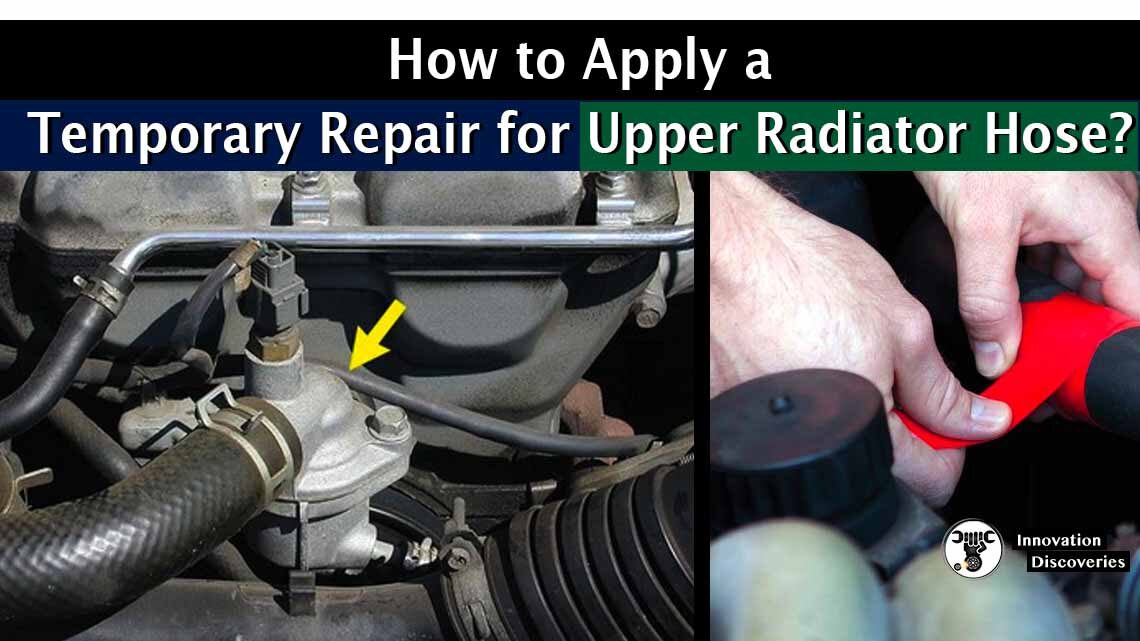
HOW TO APPLY A TEMPORARY REPAIR FOR UPPER RADIATOR HOSE?
Visit Forum
Visit Our Friendly Website